U Vision Group
U Shoppe

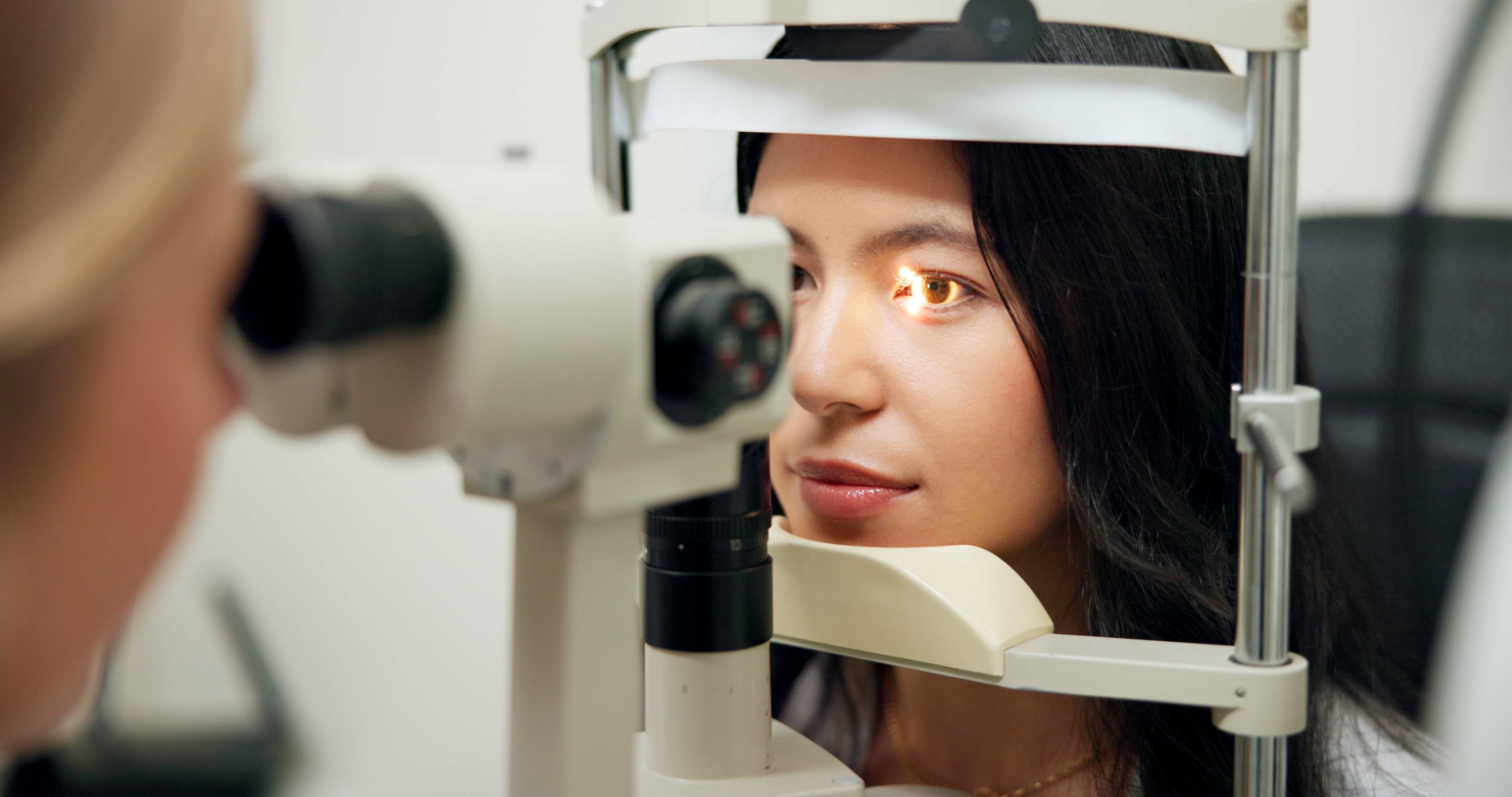
Anti-VEGF agents are medications that are in use in the treatment of various common eye diseases such as: Wet Age-related Macular Degeneration (ARMD), Diabetic Macular Edema, and Retinal Vein Occlusion. There are several anti-VEGF agents now commonly used, including Ranibizumab (Lucentis), Aflibercept (Eylea), and Bevacizumab (Avastin). These agents are delivered into the eye by an injection. The procedure is performed in the office and is well tolerated with topical anesthetic drops.
A retinal tear can develop when the vitreous pulls hard enough on the retina. This occurs in a minority of patients with posterior vitreous detachment (PVD). A retinal tear can lead to a retinal detachment (RD) when the retina peels off the back of the eye.
The symptoms of a retinal tear or detachment include floaters, flashes of light, a dark shadow blocking part of the vision, or loss of central vision.
The laser is applied to the retina surrounding the tear and acts to reinforce the retina. Laser treatment is usually successful in sealing the retinal tear and preventing a retinal detachment. The Laser is performed in the outpatient clinic with topical anesthetic drops. The laser is very bright and there is some discomfort involved. Most patients have blurry vision or discomfort for several minutes after the treatment. Patients usually feel normal again by the following day.
Lorem ipsum dolor sit amet consectetur adipiscing elit. Quisque faucibus ex sapien vitae pellentesque sem placerat.
In id cursus mi pretium tellus duis convallis. Tempus leo eu aenean sed diam urna tempor.
%20(1).png)